Call us now :08045812586
 Send Inquiry
 Send Inquiry
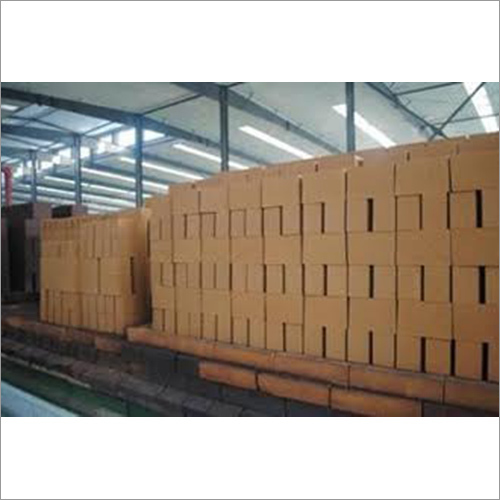
Fire Bricks
Fire Bricks Specification
- Material
- Fire Clay
- AI2O3(%)
- 30-40%
- Fe2O3 (%)
- 2-4%
- Refractoriness
- 1700 °C - 1750 °C
- Characteristics
- High strength, good thermal stability, and corrosion resistance
- Color
- Light Yellow/Beige
- Apparent Porosity
- 18-22%
- Cold Crushing Strength
- 250-300 kg/cm2
- Thermal Conductivity
- 0.9-1.2 W/mK
- Bulk Density
- 2.05-2.30 g/cm3
- Size
- 230mm x 115mm x 75mm (Standard)
- Water Absorption
- 12-15%
- Usage/Application
- Lining for furnaces, kilns, fireboxes, and fireplaces
Fire Bricks About
Fire Bricks
Owing to their ability to withstand high temperature, these Fire Bricks are extensively used to construct stacks, furnaces, line flues and fireplaces. The offered bricks are admired for their high melting within 2,800 F (1.540 C) to 4,000 F (2,200 C) temperature ranges. By utilizing soft mud, dry press and extruded materials, these bricks are manufactured under the prudent observation of skilled professionals. Our provided bricks are highly demanded in construction, automobile, shipbuilding, aerospace, chemical and various other fields.
Key points:
Owing to their ability to withstand high temperature, these Fire Bricks are extensively used to construct stacks, furnaces, line flues and fireplaces. The offered bricks are admired for their high melting within 2,800 F (1.540 C) to 4,000 F (2,200 C) temperature ranges. By utilizing soft mud, dry press and extruded materials, these bricks are manufactured under the prudent observation of skilled professionals. Our provided bricks are highly demanded in construction, automobile, shipbuilding, aerospace, chemical and various other fields.
Key points:
- Known for high heat insulation property
- Lightweight and highly durable
- Accessible in different finishes and dimensions i.e. length, width and depth
Superior Thermal Stability
The fire bricks offer excellent thermal stability, meeting refractoriness levels between 1700C-1750C. This ensures safety and reliable performance in high-temperature environments, making them suitable for continuous operation in demanding industrial settings. Their ability to withstand repeated heating and cooling cycles helps reduce maintenance downtime and extends service life.
Robust Mechanical Strength
With a cold crushing strength of 250-300 kg/cm, these fire bricks exhibit remarkable durability. Their structural integrity supports heavy-duty usage in furnaces and kilns where mechanical stress is frequent. The high density and optimally balanced porosity facilitate a firm installation, contributing to long-term operational resilience.
Corrosion Resistance & Longevity
Composed of fire clay enriched with 30-40% Al2O3 and 2-4% Fe2O3, these bricks resist chemical corrosion common in fuel-burning environments. Their composition ensures that they retain strength, color, and material stability even after prolonged contact with slags and chemical agents, securing seamless functionality for industrial users across India.
FAQs of Fire Bricks:
Q: How should fire bricks be installed for lining furnaces and kilns?
A: Fire bricks are usually laid with high-temperature refractory mortar, ensuring tight joints to minimize heat loss. It is important to prepare the surface adequately, align the bricks precisely, and bond them securely to achieve optimal thermal insulation and mechanical support.Q: What applications can these fire bricks be used for?
A: These fire bricks are suited for lining furnaces, kilns, fireboxes, and fireplaces due to their high thermal stability, strength, and corrosion resistance. They are commonly employed in metallurgy, ceramics, and industrial heating processes throughout India.Q: When is it advisable to replace fire brick linings?
A: Replacement is recommended when bricks exhibit visible cracks, severe spalling, or reduced effectiveness in containing heat. Timely replacement helps maintain efficiency and prevents potential equipment damage from excessive heat leakage or structural failure.Q: Where are these fire bricks manufactured and supplied?
A: Manufacturing and supply of these fire bricks occur across India, with distribution channels including dealers, wholesalers, retailers, producers, and service providers. Their availability through various local and regional networks facilitates quick procurement for industrial and commercial users.Q: What benefits do these fire bricks offer over conventional bricks?
A: Compared to standard building bricks, these fire bricks deliver superior refractoriness, enhanced strength, lower water absorption, and better resistance against corrosion and thermal cycling. This results in longer service life and improved safety in high-temperature conditions.Q: How does the composition of fire clay with Al2O3 and Fe2O3 affect performance?
A: The inclusion of 30-40% Al2O3 and 2-4% Fe2O3 in fire clay significantly boosts refractoriness, mechanical strength, and resistance to corrosion, making the bricks fitting for continuous exposure to high temperature and chemically active environments.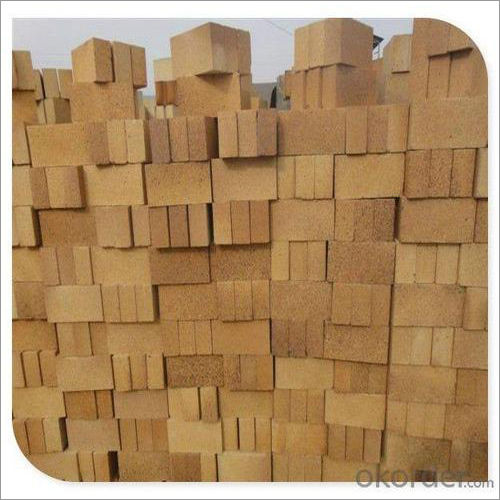
More Products in Fire Bricks Category
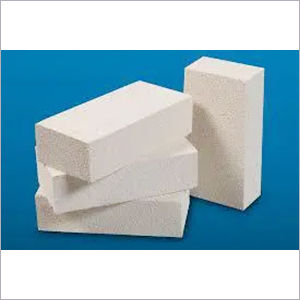
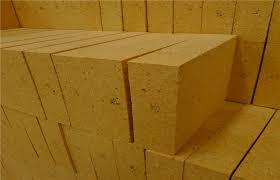
Heat Resistant Bricks
Shape : Other, Rectangular
Material : Other, High Alumina
AI2O3(%) : 3040%
Fe2O3 (%) : 12%
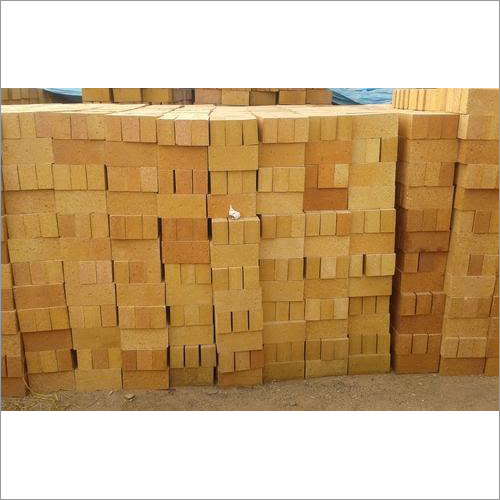

We mainly deal in Chandigarh, Delhi, Haryana, Himachal Pradesh, Jammu and Kashmir, Madhya Pradesh, Uttar Pradesh, Punjab, Rajasthan, Uttarakhand etc.

 Send Inquiry
Our Products
- Refractory Material
- Boiler Nozzle And Spare Parts
- High Alumina Products
- Fire Bricks
- Refractory Cement And Castables
- Thermax Refractory Bricks
- Furnace Refractory
- Boiler Refractories
- Refractory Bed Material
- Refractory Bricks Joining Service
- Refractory Lining
- Thermax Boiler Construction Service
- Boiler furnace Work

Plot No. 2, Samaypur Road, Rajeev Colony, Near Sector-58,Faridabad - 121004, Haryana, India

Mr Kapil Vashisht
(CEO)
Mobile :View Number
 Send Inquiry
 Send SMS
Developed and Managed by Infocom Network Private Limited.