Call us now :07971891170( PIN:297)
 Send Inquiry
 Send Inquiry
REFRACTORY CASTABLES
MOQ : 1 Pack
REFRACTORY CASTABLES Specification
- Surface Finish
- Smooth
- Melting Point
- 1790°C
- Application
- Furnace Lining, Boilers, Kiln, Burner Block, and Cement Rotary Kilns
- Density
- 2.6 Gram per cubic centimeter(g/cm3)
- Hardness (%)
- High
- Water Absorption
- Low (<12%)
- Chemical Composition
- Al2O3: 45-90%, SiO2: 5-50%, CaO: 1.5-8%
- Form
- Powder
- Purity(%)
- Up to 99%
- Usage & Applications
- Steel Plants, Cement Industries, Petrochemical Furnaces, Foundries
- Product Type
- Refractory Castable
- Types of Refractories
- Low Cement, Conventional, Insulating, Dense, and Special Castables
- Shape
- Powder / Granules
- Porosity
- Low to Medium (Varies with Grade)
- Dimensional Stability
- Excellent at High Temperatures
- Strength
- High Compressive Strength (Typically > 70 kg/cm2)
- Specific Gravity
- 2.3–2.6
- Thermal Conductivity
- Low
- Color
- White
- Shelf Life
- 6-12 Months (If Properly Stored)
- Bond Type
- Hydraulic and Chemical
- Cold Crushing Strength
- > 70 MPa
- Installation Method
- Vibration Casting, Gunning, Pump Casting
- Flexural Strength
- > 6 MPa at 110C
- Setting Time
- 30-60 Minutes
- Packaging Size
- 25 Kg, 50 Kg Bags
- Storage Condition
- Cool and Dry Place
- Grain Size
- Up to 6 mm
- Service Temperature
- Up to 1800C
REFRACTORY CASTABLES Trade Information
- Minimum Order Quantity
- 1 Pack
- Supply Ability
- 1 Pack Per Day
- Delivery Time
- 1 Week
About REFRACTORY CASTABLES
REFRACTORY CASTABLES mixture is a highly proportionate premixed substance that is commonly used within industries to make thermal resistant bricks and various types of refractory products. It is prepared by using highly pure substances that are obtained from earths crust and rocks. It is available in powdered form with zero solid impurities that ensure excellent mix-ability. REFRACTORY CASTABLES offered by our company can also be used to make protective layers with furnaces. The offered powdered compound comes in water resistant bags with capacity of 25 kilograms. Buy from us this refractory product at a low price range.
Exceptional Thermal Performance and Strength
With a melting point of 1790C and a service temperature up to 1800C, these refractory castables are built to endure extreme thermal stresses. Their high compressive strength (over 70 MPa) and excellent flexural strength provide robust structural reliability, making them suitable for critical high-temperature areas such as cement kilns, steel furnaces, and petrochemical applications.
Versatile Installation Methods for Various Industrial Needs
These castables can be installed using vibration casting, gunning, or pump casting, allowing flexibility to suit diverse project requirements. The setting time ranges from 30 to 60 minutes, enabling efficient application in fast-paced installations, whether for large furnaces, boilers, or custom-shaped burner blocks.
Outstanding Durability and Storage
Designed with a shelf life of 612 months when properly stored in a cool, dry place, our refractory castables maintain their performance and handling characteristics over time. Composed of high-purity materials (Al2O3 up to 90%), they retain strength, low water absorption, and low-to-medium porosity for extensive operational longevity.
FAQs of REFRACTORY CASTABLES:
Q: How do you install refractory castables for industrial applications?
A: These refractory castables are typically installed using vibration casting, gunning, or pump casting methods. Proper mixing with water, careful placement, and adherence to the recommended setting time (3060 minutes) are essential for achieving optimal performance in furnace linings, boilers, or kilns.Q: What are the main benefits of using high-purity refractory castables?
A: High-purity refractory castables (up to 99% purity) ensure superior resistance to thermal shock, low water absorption, and minimal porosity. This translates to extended service life, lower maintenance, and enhanced energy efficiency in high-temperature applications like steel plants and cement rotary kilns.Q: When should refractory castables be replaced in heavy-duty furnaces?
A: Replacement is generally necessary when there are visible cracks, signs of erosion, or a loss in mechanical strength. Regular inspections should be conducted, especially after long operational cycles or thermal shocks, to identify any deterioration before it impacts furnace performance.Q: Where can these refractory castables be effectively used?
A: These products are ideal for use in steel plants, cement industries, petrochemical furnaces, foundries, and industrial boilers. Their versatility and high strength make them suitable for lining cement rotary kilns, burner blocks, and various industrial heating zones.Q: What storage conditions are recommended to maintain product shelf life?
A: To preserve the quality and shelf life (612 months), store refractory castables in a cool and dry place. They should be kept in their original 25 kg or 50 kg packaging and protected from moisture to prevent hydraulic setting or contamination.Q: How does grain size impact the performance of refractory castables?
A: Grain size (up to 6 mm) affects the mechanical strength and insulation properties of the castables. Larger grains typically increase mechanical strength, while finer grains can enhance surface smoothness and reduce porosity, catering to specific application requirements.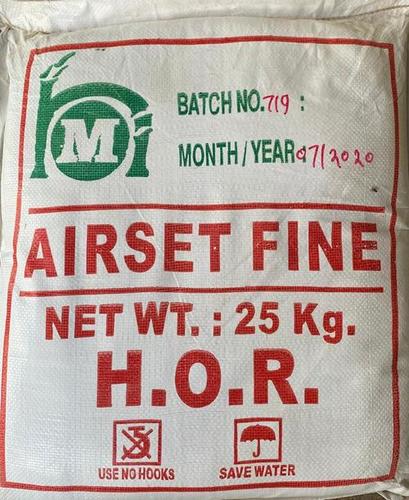
More Products in Refractory Cement And Castables Category
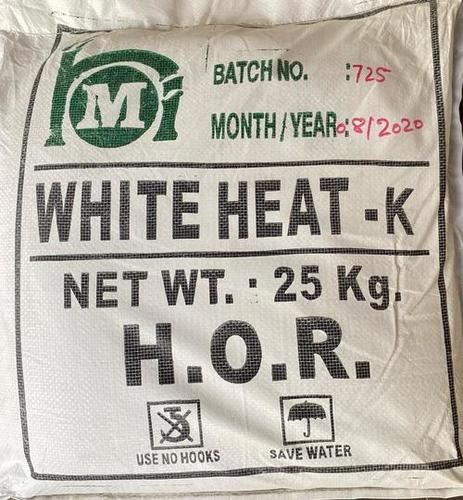
Castable Refractory
Minimum Order Quantity : 1 Pack
Strength : High compressive strength
Types of Refractories : Other, Conventional and Low Cement Castables
Dimensional Stability : Other, Excellent at high temperatures
Thermal Conductivity : Low
Shape : Other, Powder/Granular
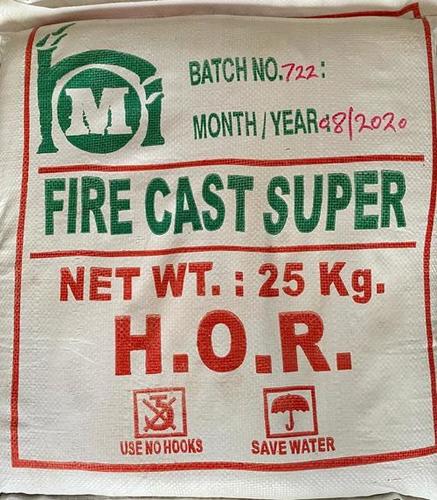
Refractory Castable Cement
Minimum Order Quantity : 1 Pack
Strength : High mechanical strength; Cold Crushing Strength (CCS): > 250 kg/cm²
Types of Refractories : Other, Castable Refractories
Dimensional Stability : Other, Excellent, retains shape under high temperature
Thermal Conductivity : Low; 0.81.3 W/mK at 1000°C
Shape : Powder
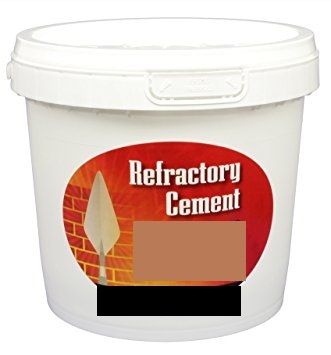
Refractory Cement
Strength : High compressive strength
Types of Refractories : Other, Monolithic Refractories
Dimensional Stability : Other, Excellent
Thermal Conductivity : Low
Shape : Other, Powder or paste

We mainly deal in Chandigarh, Delhi, Haryana, Himachal Pradesh, Jammu and Kashmir, Madhya Pradesh, Uttar Pradesh, Punjab, Rajasthan, Uttarakhand etc.

 Send Inquiry
Our Products
- Refractory Material
- Boiler Nozzle And Spare Parts
- High Alumina Products
- Fire Bricks
- Refractory Cement And Castables
- Thermax Refractory Bricks
- Furnace Refractory
- Boiler Refractories
- Refractory Bed Material
- Refractory Bricks Joining Service
- Refractory Lining
- Thermax Boiler Construction Service
- Boiler furnace Work

Plot No. 2, Samaypur Road, Rajeev Colony, Near Sector-58,Faridabad - 121004, Haryana, India

Mr Kapil Vashisht
(CEO)
Mobile :View Number
 Send Inquiry
 Send SMS
Developed and Managed by Infocom Network Private Limited.